A GUIDE TO GRADES
This guide walks through the NWFA standard, length averages, moisture and the questions to ask any mill before you order.
What a Hardwood Flooring Grade Tells You
A grade describes how much of the tree's natural character is allowed on the face of a board. Higher grades are cleaner and more even. Lower grades show more knots, streaks and color. Neither is better; they're different floors.
We use the grade names of the National Wood Flooring Association (NWFA). Where the NWFA sets the standard, we quote it. Where we do something differently, we say so.
Oak Grades: Select, 1 Common, 2 Common
These are the grades we make in red oak and white oak.
| Grade | What the NWFA Standard Allows, in Short | What the Floor Looks Like |
|---|---|---|
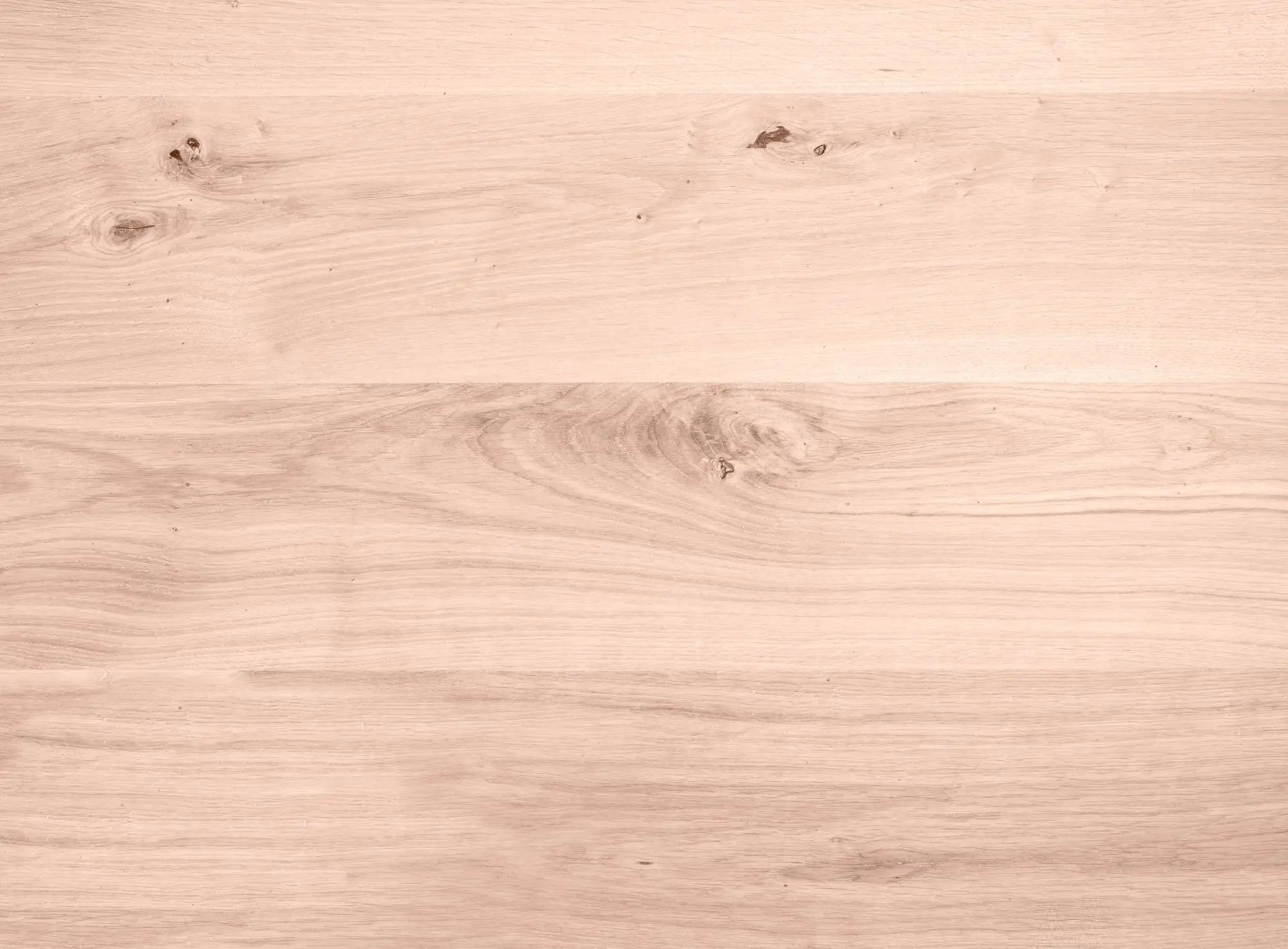
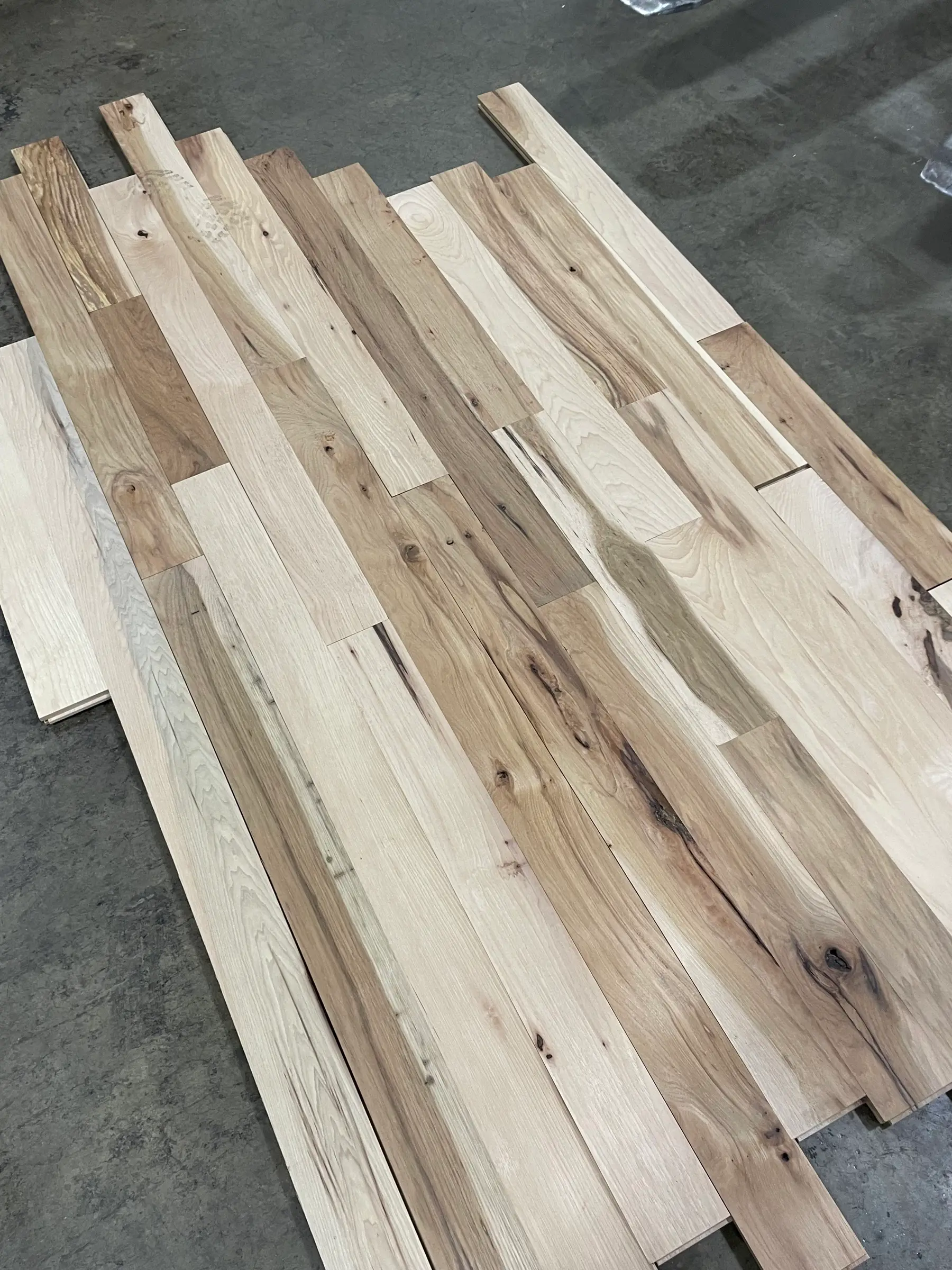
| Select | Natural heartwood and sapwood color variation; about one small tight knot every 3 feet; pin worm holes; slightly open checks. | Clean and fairly even, with the wood's own color range. |
| 1 Common | Prominent color variation and varying character; sound open characters that readily fill. | Lively, with knots and streaks spread through the floor. |
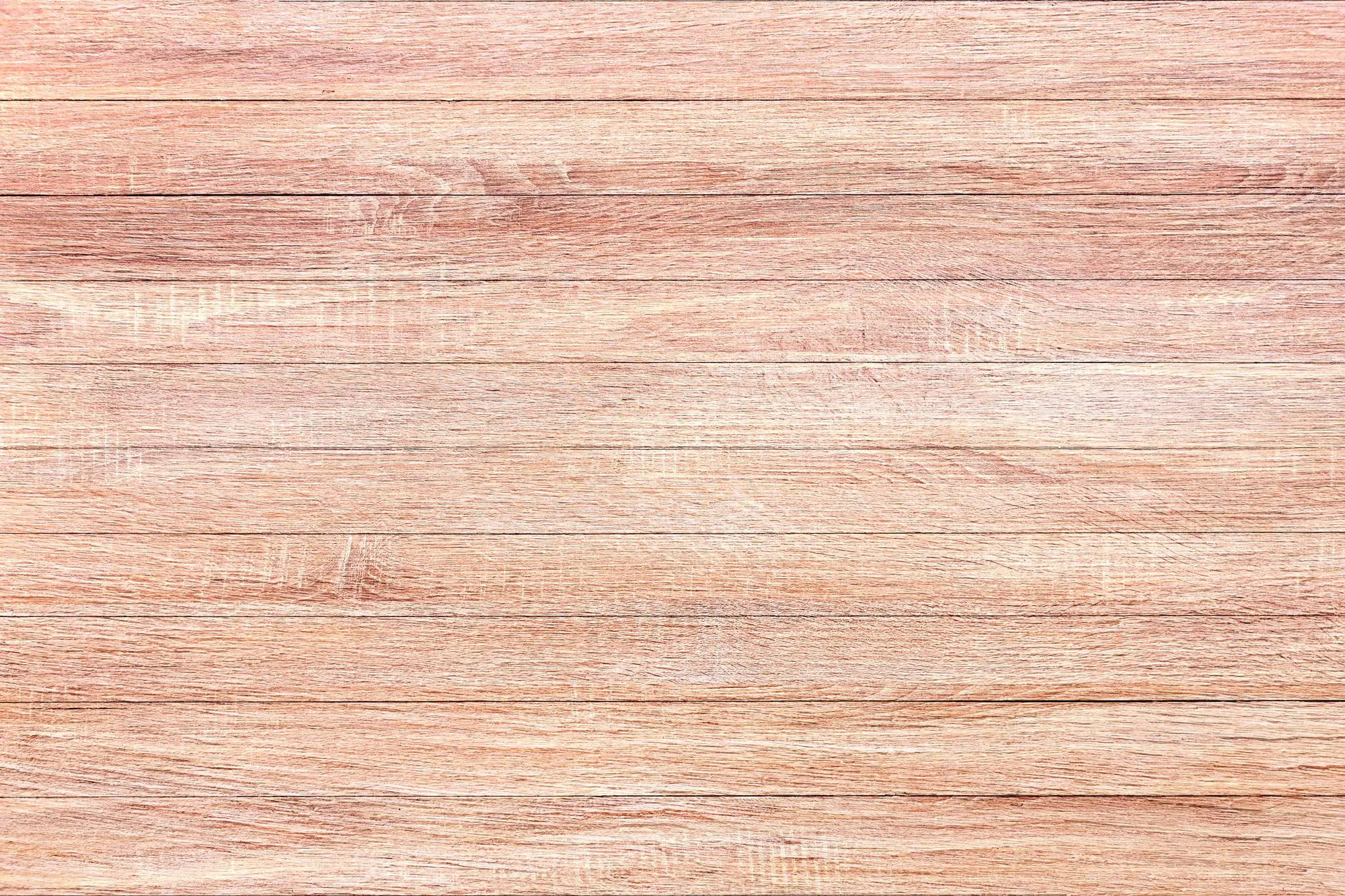
| 2 Common | Sound natural variations and some manufacturing marks; suited where character and contrast are wanted. | Rustic and full of contrast. |
Hickory Grades: 1 Common, 2 Common, Character
Hickory comes in 1 Common, 2 Common and our own Character grade. Ask us about Select.
| Grade | What It Allows, in Short | What the Floor Looks Like |
|---|---|---|
| 1 Common | Heavy streaks, stained sapwood, sound knots and small checks, all sound and fillable. | Busy and warm. |
| 2 Common | More character and contrast, with sound natural marks admitted. | Rustic. |
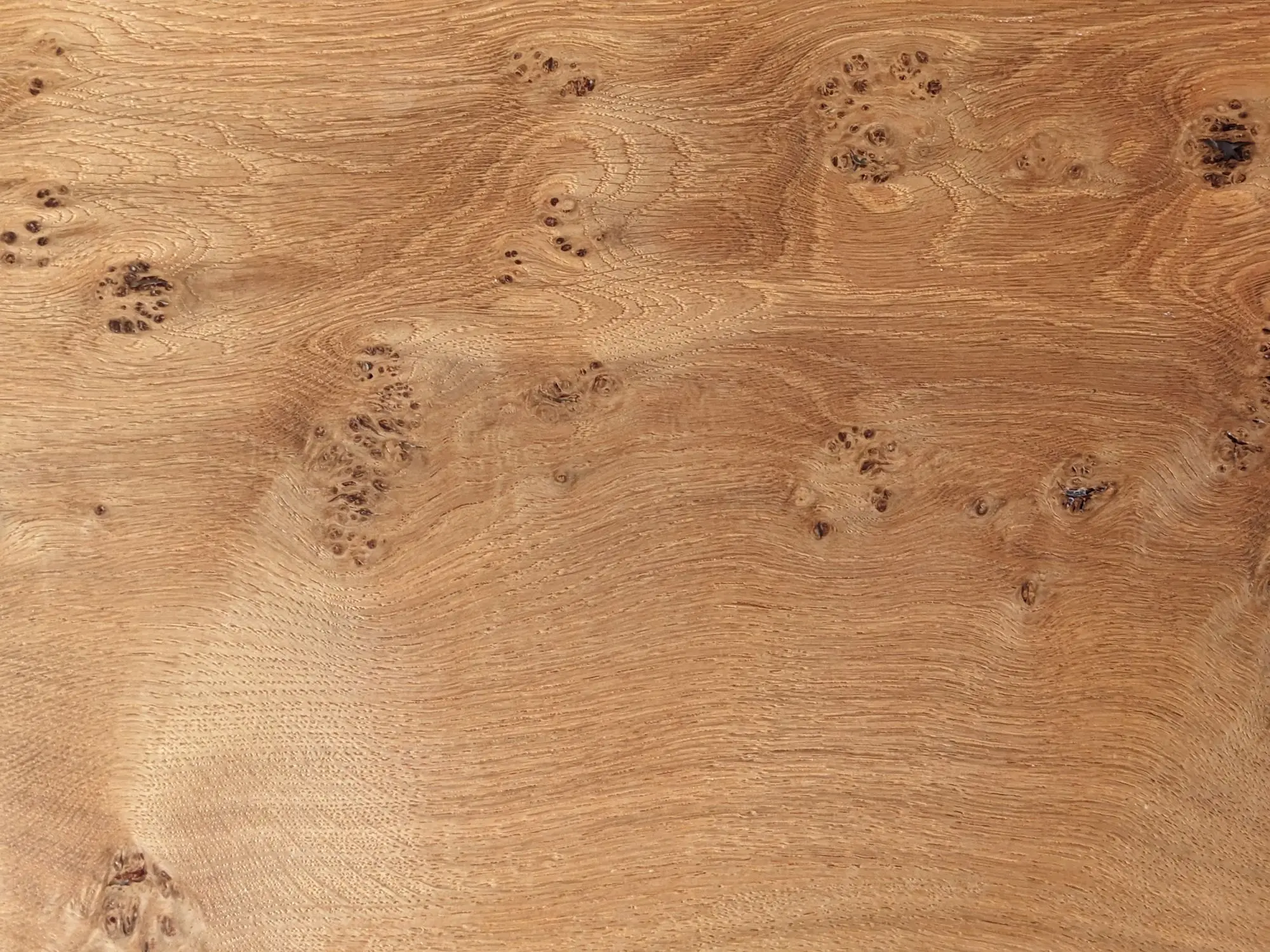
| Character | Our own grade, outside the NWFA grade names. Ask us what it admits. | Ask for a sample. |
Character is not one of the NWFA standard grade names. It's our grade, offered in hickory only.
Same Grade, Different Floor
The grade name tells you what a board is allowed to look like. It doesn't tell you how a bundle will lay. Order 1 Common red oak from two mills and you can get two different jobs. Both bundles can carry the same grade name under the same standard. One lays out long, with few end joints and little waste. The other has more short pieces and a handful of boards the installer sets aside.
The difference is usually in two numbers that aren't printed in the grade name: average board length and how much of the bundle is actually on grade. Ask about both.
Length Averages: The Number the Grade Leaves Out
Length average is the number that decides how a floor looks and how much of it ends up in the dumpster. More long boards means fewer end joints, a calmer floor and less waste. The NWFA standard sets a minimum average board length for each grade, measured across a shipment of 1,000 square feet or more, and no single piece may be shorter than 9 inches.
| Grade | Strip (Under 3″) | Plank (3″ to 5″) |
|---|---|---|
| Select | 33″ | 32″ |
| 1 Common | 30″ | 28″ |
| 2 Common | 24″ | 24″ |
Those are minimums. A mill can ship right at them or well above them, and both are within the standard. Longer averages mean fewer end joints in the room, a calmer looking floor, faster installs and less cut-off waste. On a big job that's real money for the installer and the homeowner.
Length average depends on the logs, how they're sawn and how the lumber is cut for flooring. Because we saw our own logs, we decide how the lumber is cut long before it reaches the flooring line. Ask us about length averages on your order.
What "On Grade" Means
The NWFA's target is 100 percent of pieces on grade. Its standard allows up to 5 percent of the pieces in a shipment to fall below the stated grade. That 5 percent is the part your installer sorts out, cuts around or sends back.
Five percent sounds small. It means up to 5 of every 100 boards may not match what you paid for. Every percent a mill ships under that allowance is a percent your installer doesn't have to sort.
On-grade rate depends on how carefully each piece is looked at before it goes into a bundle, and how much a mill is willing to pull. We're small enough to scrutinize each piece, and we aim for the bundle to match the tag.
Moisture Content
The NWFA standard says flooring is manufactured at 6 to 9 percent moisture content, with up to 5 percent of pieces allowed outside that range, up to 12 percent. We dry our own lumber in Marion. Your installer should still check moisture on site and let the flooring acclimate as the NWFA installation guidelines describe.
Strip and Plank
Under 3" wide is strip. 3" to 5" is plank. Our 1-1/2" and 2-1/4" are strip; 3-1/4", 4" and 5" are plank. Length minimums differ between the two, which is why the length table has two columns. For when to choose the narrow widths, see Narrow Strip Flooring.
How Our Bundles Are Marked
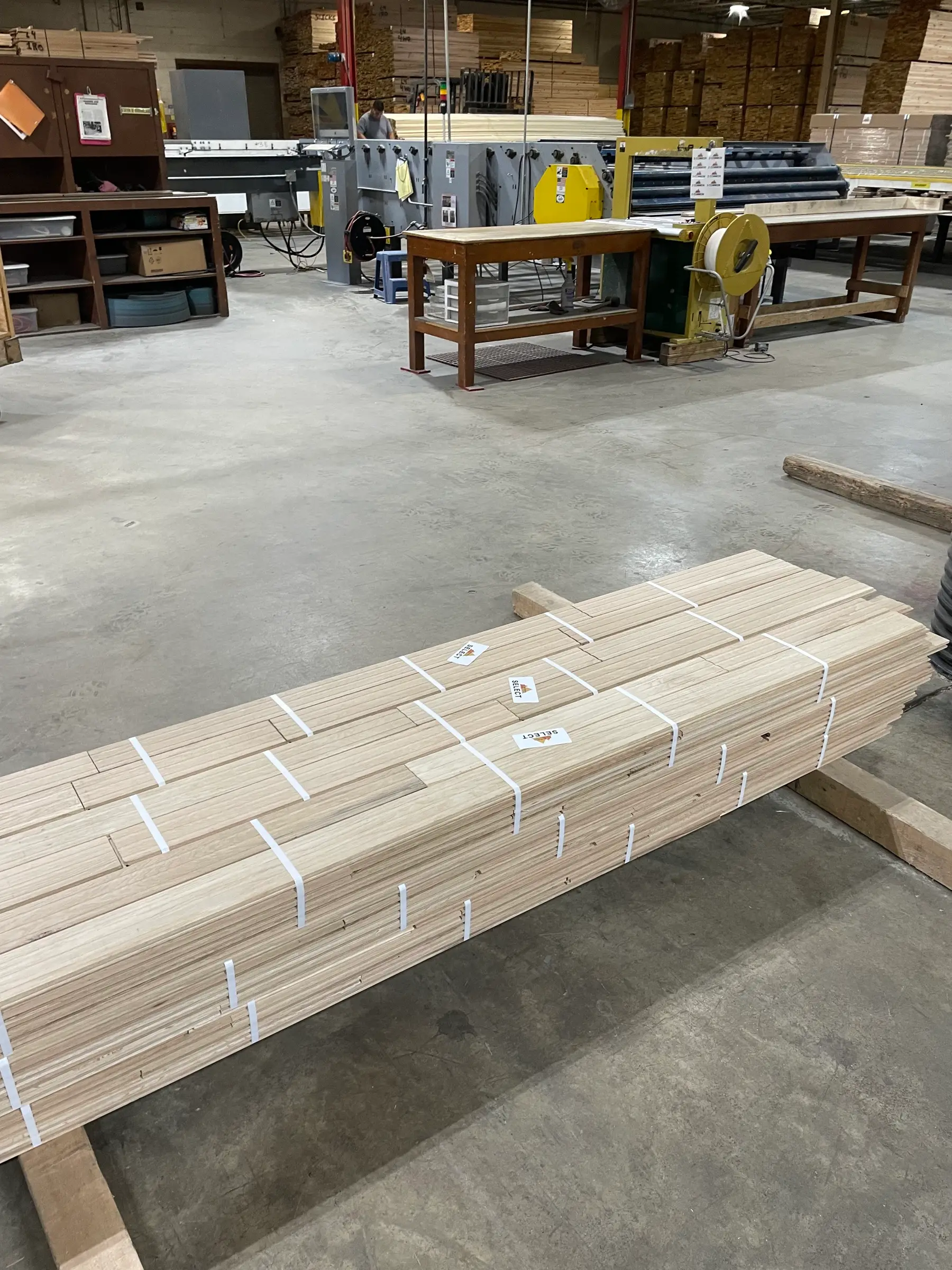
The NWFA/NOFMA standard says bundles are to be marked with the grade and species. Ours carry both, so your dealer and installer know what's inside before the strap comes off.
Four Questions to Ask Any Mill
Copy these into your next quote request, to us or to anyone:
- What's the average board length for this grade and width, on recent runs?
- What moisture content does the flooring leave the plant at?
- How is each bundle marked, and how many square feet are actually in it?
- Where did the wood grow?
Ask us about length averages on your order. The last question takes us one sentence: nearly all of our wood grew in Western North Carolina. See the full line on the Product Selector.
Sources
- NWFA/NOFMA International Standards for Unfinished Solid Wood Flooring, revised April 2018: https://nwfa.org/wp-content/uploads/2020/03/NWFA-NOFMA-Unfinished-Standard-Final-April-2018.pdf